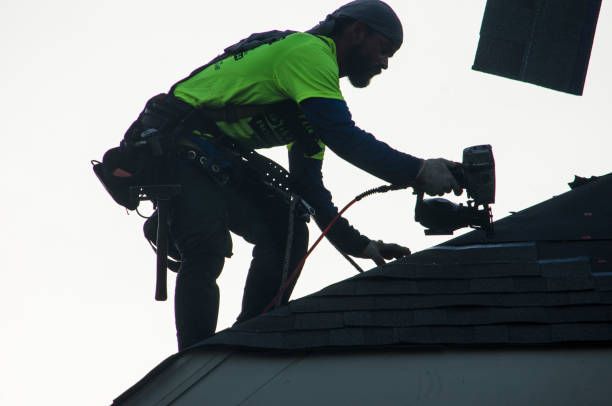
How a Roofing Contractor Improves Energy Efficiency
How a Roofing Contractor Improves Energy Efficiency
Proper roofing goes beyond protecting a home from the elements—it plays a significant role in managing energy consumption. When a building is equipped with the right materials and techniques, it can maintain comfortable temperatures more effectively, reducing the need for constant heating or cooling. A roofing contractor brings expertise in selecting energy-efficient shingles, insulation, and ventilation systems that work together to minimize energy loss. From reflective coatings that lower heat absorption to strategically installed insulation that keeps warmth inside during colder months, their work directly impacts utility bills. Investing in professional roofing services not only enhances durability but also promotes a more sustainable, cost-effective living environment.
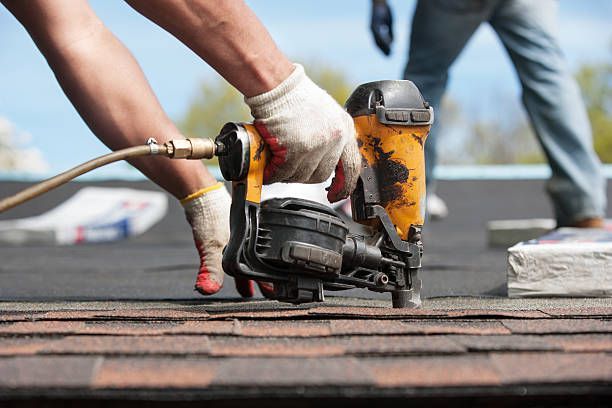
How a Roofing Contractor Enhances Insulation Performance
A roofing contractor plays a critical role in improving a building’s insulation, which is a key factor in energy efficiency. Insulation acts as a barrier, preventing heat from escaping during winter and keeping it out during summer. By installing high-performance materials such as spray foam, rigid boards, or upgraded shingles, a roofing contractor ensures the roof contributes significantly to maintaining a stable indoor climate. Proper insulation reduces reliance on heating and cooling systems, directly lowering energy bills.
Beyond material selection, professional installation focuses on sealing gaps, reinforcing weak points, and addressing areas that may compromise thermal performance. Attic spaces, roof joints, and venting points are carefully inspected and improved as needed. By combining quality materials with expert installation, a roofing contractor ensures that insulation functions optimally over the long term. This results in enhanced comfort, reduced energy consumption, and a more durable roof that supports sustainable living while protecting the structure from temperature extremes.
Upgrading Roofing Materials for Energy Savings
Selecting the right roofing materials is essential for energy efficiency, and a roofing contractor guides homeowners in making informed choices. Modern options include reflective shingles, metal panels, clay tiles, and other materials designed to minimize heat absorption. By reducing the transfer of heat into a building, these materials lower indoor temperatures in hot months and maintain warmth during colder periods. The choice of materials can significantly impact monthly energy bills while also supporting environmentally responsible construction practices.
A roofing contractor evaluates the property’s climate, roof design, and insulation needs before recommending specific materials. Proper installation ensures that these energy-saving solutions work effectively and last longer. Upgraded roofing not only enhances energy performance but also increases property value, protects the home from weather damage, and minimizes maintenance needs. By combining professional insight with high-quality materials, homeowners achieve a roof that provides lasting comfort and efficiency while contributing to overall cost savings and a more sustainable living environment.
Improving Ventilation to Regulate Temperature
Proper roof ventilation is essential for regulating temperature and enhancing energy efficiency. A roofing contractor installs vents and airflow systems that allow hot air to escape from attics while preventing moisture buildup. In the summer, this reduces indoor heat, decreasing reliance on air conditioning and creating a more comfortable environment. In colder months, ventilation helps prevent condensation and ice dam formation, protecting the roof’s structure and insulation.
Effective ventilation also preserves insulation performance by preventing moisture damage, which can compromise its thermal resistance. A roofing contractor ensures that vent placement, size, and airflow are optimized for the home’s design, balancing air movement while avoiding energy loss. The result is a roof that maintains consistent indoor temperatures throughout the year, reduces strain on HVAC systems, and improves energy efficiency. By combining precise planning with professional installation, ventilation systems become a long-term solution for comfort and energy savings.
Reducing Air Leakage Through Professional Sealing
Air leakage through gaps, cracks, and poorly sealed roof components can significantly reduce energy efficiency. A roofing contractor identifies vulnerable areas and applies professional sealing techniques to prevent drafts, heat loss, or unwanted cooling. Proper sealing helps maintain stable indoor temperatures, reducing the need for heating and cooling systems and lowering energy costs.
In addition to comfort, professional sealing preserves the integrity of insulation and prevents moisture from compromising the roof structure. Roofing contractors examine areas such as roof joints, flashing, vent penetrations, and attic access points to ensure airtight performance. By combining high-quality materials with precise installation techniques, a roofing contractor maximizes energy efficiency while protecting the home from environmental damage. The result is a roof that maintains comfort year-round and delivers long-term savings while supporting sustainable energy practices.
Installing Reflective Coatings to Lower Heat Absorption
Reflective roof coatings are an effective way to manage heat and improve energy efficiency. A roofing contractor applies these specialized coatings to the roof’s surface, reflecting sunlight and reducing heat buildup inside the building. This keeps interiors cooler during summer, decreasing dependence on air conditioning and lowering energy bills. Reflective coatings also protect roofing materials from ultraviolet damage, helping prevent cracking, fading, or warping.
Professional application ensures that coatings adhere properly and cover all critical areas for optimal performance. The reflective surface not only improves comfort but also contributes to long-term durability, extending the life of the roof. By combining expert installation with high-quality coatings, a roofing contractor creates a solution that reduces energy consumption, supports sustainable living, and maintains a comfortable indoor climate. This simple upgrade can have a noticeable impact on both utility costs and overall energy efficiency.
Enhancing Roof Inspections to Maintain Efficiency
Regular roof inspections are essential for sustaining energy efficiency, and a roofing contractor conducts thorough evaluations to detect damage, leaks, or signs of wear that could compromise performance. Identifying these issues early ensures the roof continues to provide proper insulation and ventilation, preserving energy-saving benefits. Inspections also help prevent minor problems from developing into costly repairs, protecting both the home and its energy efficiency.
A roofing contractor examines shingles, flashing, vents, and attic spaces to ensure that the roof maintains thermal performance. These inspections also provide an opportunity to recommend upgrades or repairs that further improve energy efficiency. By maintaining a roof in optimal condition, homeowners reduce energy waste, maintain indoor comfort, and prolong the roof’s lifespan. Professional inspections are a proactive approach to supporting sustainable, energy-conscious living.
Integrating Energy-Efficient Roofing Designs
Energy-efficient roofing designs combine functionality and aesthetics to reduce energy consumption. A roofing contractor implements features such as insulated panels, angled surfaces, or layered materials to enhance thermal performance. These designs optimize sunlight reflection, airflow, and heat retention, reducing the need for heating and cooling systems. Strategic design choices contribute to energy efficiency while complementing the building’s overall appearance.
A roofing contractor evaluates the property’s climate, structure, and orientation to recommend designs that maximize energy performance. Proper installation ensures that all components work together to regulate indoor temperatures effectively. By integrating these energy-conscious design elements, homeowners benefit from long-term cost savings, improved comfort, and a more sustainable home. Professional guidance guarantees that energy-efficient designs are implemented correctly, creating a roof that delivers both beauty and functionality while reducing environmental impact.
Maintaining Roof Integrity to Support Energy Efficiency
A well-maintained roof is essential for preserving energy efficiency. A roofing contractor provides routine maintenance, including cleaning gutters, repairing damaged shingles, and addressing minor leaks before they escalate. These efforts ensure that insulation and ventilation systems continue to function as intended, preventing energy loss and maintaining comfortable indoor temperatures.
Consistent maintenance protects the roof from moisture, wind, and temperature fluctuations, which can degrade materials and reduce efficiency over time. By keeping the roof in top condition, homeowners benefit from lower energy costs, extended roofing life, and improved comfort. Roofing contractors combine experience and technical knowledge to identify issues early and provide long-term solutions. Regular upkeep ensures that the roof continues to support energy-saving measures while safeguarding the home against structural damage.
Coordinating Roof Upgrades with Energy Audits
Energy audits identify areas where a building may be losing energy, and a roofing contractor can implement upgrades to address these findings. By aligning roofing improvements with audit results, homeowners can target insulation gaps, ventilation inefficiencies, or damaged materials that contribute to energy loss. Coordinated upgrades maximize efficiency while preventing unnecessary expenses.
A roofing contractor integrates audit recommendations into material selection, sealing, and ventilation improvements, ensuring the roof delivers measurable energy savings. Professional installation ensures that all components work together effectively to reduce heating and cooling demands. Combining expert roofing services with energy audit insights creates a home that is both comfortable and efficient. This approach reduces utility bills, supports sustainable living, and enhances the overall performance of the property while extending the life of the roof.
Conclusion
Energy efficiency is a crucial aspect of maintaining a comfortable and cost-effective home, and the right roofing work plays a significant role in achieving it. A skilled roofing contractor can help Pottstown, PA homeowners enhance insulation, improve ventilation, reduce air leakage, and select materials that lower energy consumption. These improvements not only decrease utility bills but also extend the life of the roof and contribute to a more sustainable living environment.
For homeowners looking to make their property more energy-efficient, Spring Valley Roofing offers expert services tailored to every roof’s unique needs. With professional guidance and precise installation, they ensure that your roof performs at its best year-round. Don’t wait to enhance your home’s energy performance—contact Spring Valley Roofing in Pottstown, PA today at +1 610-948-5207 to schedule a consultation and discover how a roofing contractor can make a measurable difference in comfort, efficiency, and long-term savings.